Menu
Emerging Health Challenges for Nurses in Low- and Middle-Income Countries: What Educators and Students Must Know
Nurses are central to healthcare delivery worldwide, and their role is especially critical in low- and middle-income countries (LMICs), where they often serve as the primary point of care. As global health challenges evolve, nurses must be prepared to respond not only to traditional infectious diseases but also to emerging threats such as non-communicable diseases, climate-related health impacts, pandemics, mental health needs, and digital transformation. Preparing nurses to meet these challenges requires education that reflects today’s realities and anticipates tomorrow’s needs.
Organizations like Nurses International and NextGenU.org are helping expand access to education so nurses everywhere can develop the knowledge and skills needed to improve health outcomes and strengthen healthcare systems.
The growing burden of non-communicable diseases
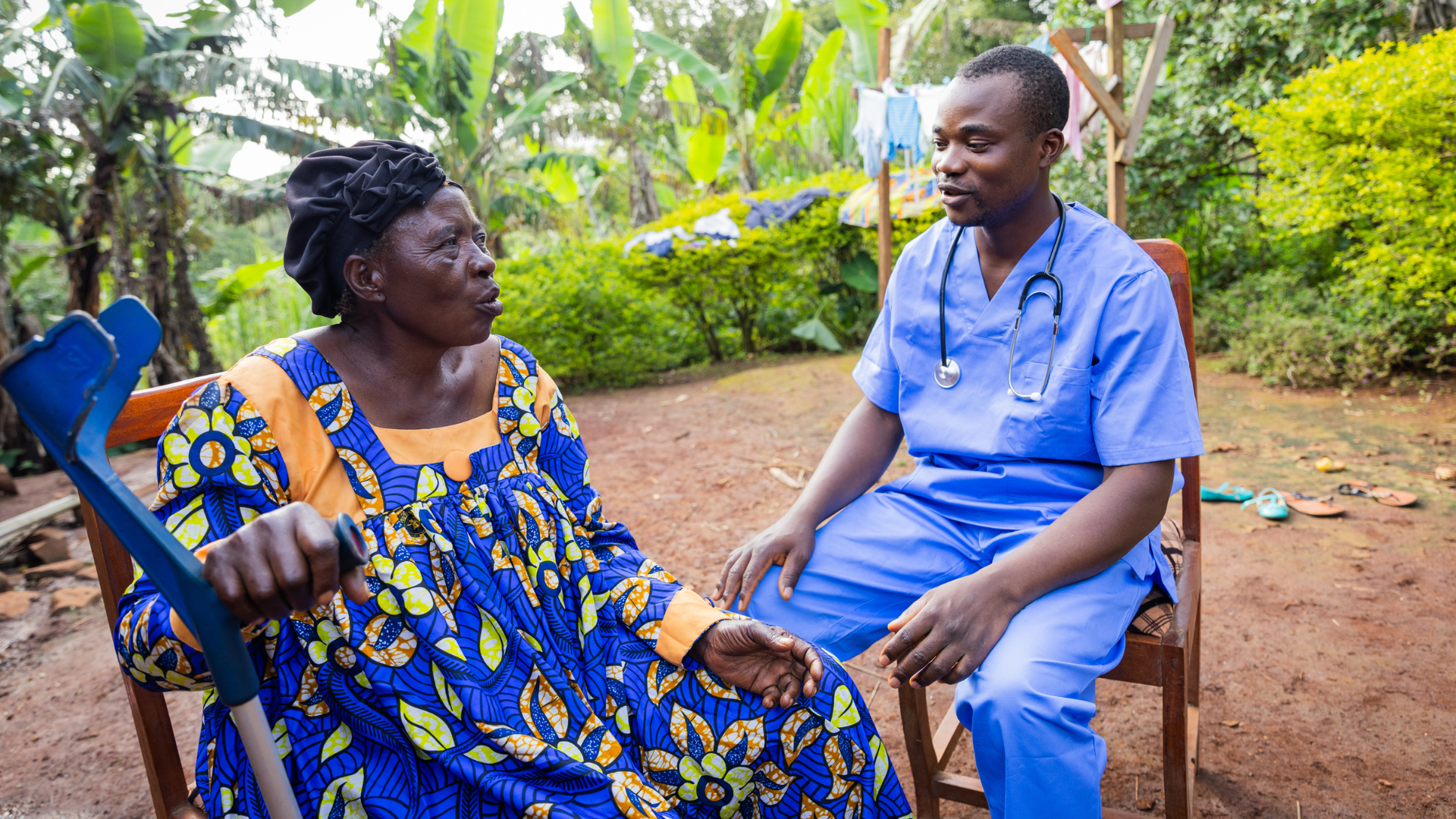
Non-communicable diseases (NCDs), including cardiovascular disease, cancer, diabetes, and chronic respiratory diseases, are now the leading cause of death globally. Approximately 77% of NCD deaths occur in LMICs, where prevention, early diagnosis, and long-term management resources may be limited (World Health Organization [WHO], 2024).
Unlike acute infections, NCDs require ongoing monitoring, patient education, and long-term care. Nurses play a key role in helping patients understand their conditions, manage medications, and adopt healthier lifestyles. Nurses also contribute to prevention by educating communities about risk factors such as poor nutrition, tobacco use, and physical inactivity.
For nurse educators, this means ensuring students understand chronic disease management, prevention strategies, and patient education techniques. Strengthening nursing capacity in these areas is essential to reducing preventable illness and improving long-term health outcomes (WHO, 2025a).
Climate change and environmental health impacts
Climate change is increasingly recognized as one of the greatest threats to global health. Rising temperatures, extreme weather events, and environmental changes contribute to heat-related illness, respiratory conditions, infectious disease spread, and food insecurity (WHO, 2023).
These impacts are especially severe in LMICs, where healthcare systems may have limited resources to respond. Nurses often care for patients affected by climate-related illness and play an important role in recognizing patterns, educating communities, and supporting prevention efforts.
Despite its importance, environmental health has not always been fully integrated into nursing education. Preparing nurses to understand environmental determinants of health helps them provide more effective care and support community resilience.
Lessons from pandemics and global health emergencies
The COVID-19 pandemic demonstrated the essential role nurses play in responding to global health crises. Nurses provided frontline care, implemented infection prevention protocols, supported vaccination programs, and educated patients and communities. At the same time, the pandemic exposed workforce shortages and gaps in preparedness (International Council of Nurses, 2021).
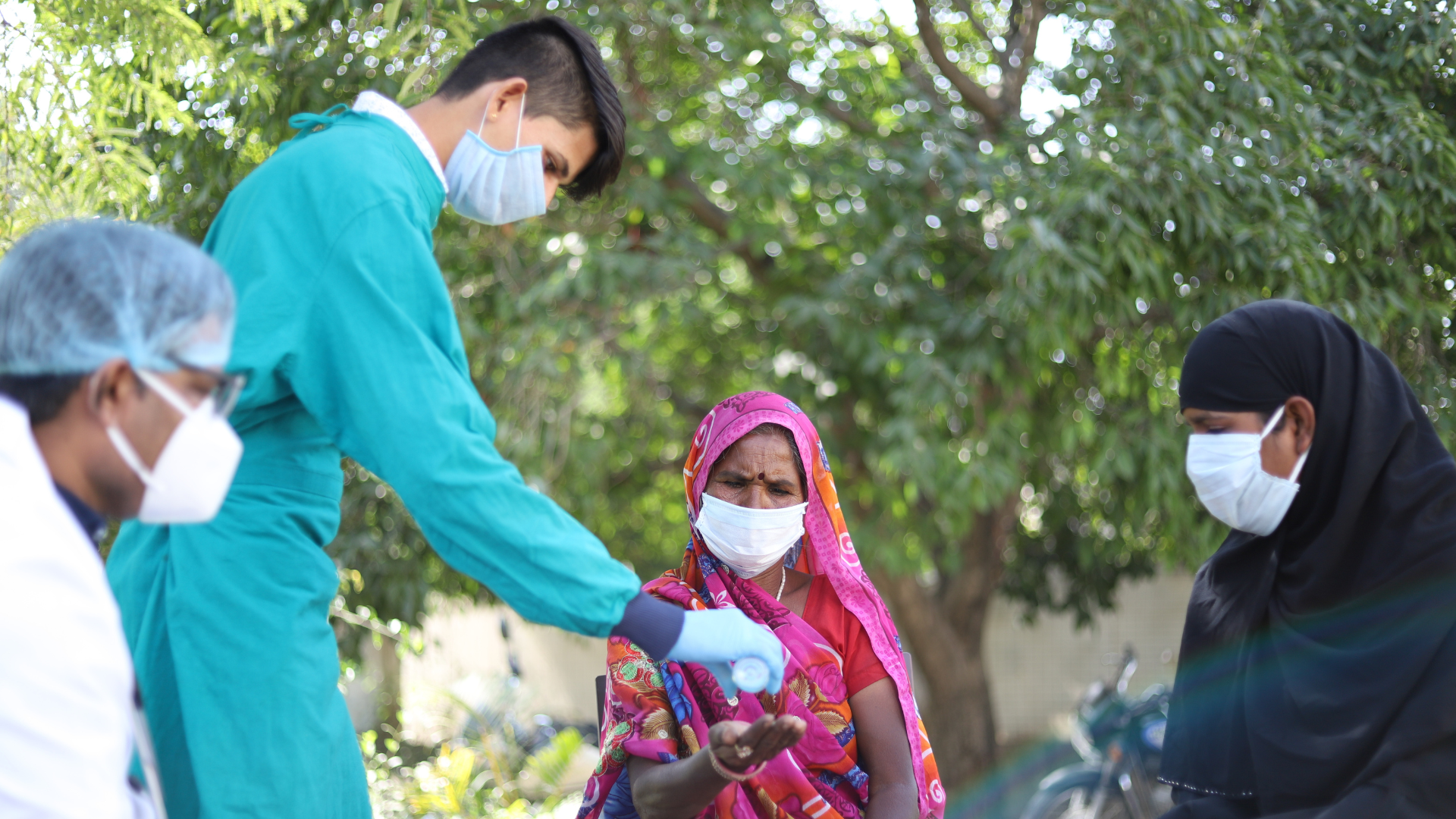
Pandemics highlight the importance of preparing nurses to respond to infectious disease outbreaks, public health emergencies, and rapidly changing clinical environments. Nurses must understand infection prevention and control, public health principles, and emergency response.
Education also plays a key role in strengthening health system resilience. Nurses who are well prepared can help detect emerging threats early, educate communities, and reduce the spread of disease.
Mental health needs for patients and nurses
Mental health conditions are a significant and growing global health concern. Depression, anxiety, and trauma affect millions of people worldwide, and access to mental health services remains limited in many LMICs (WHO, 2025b).
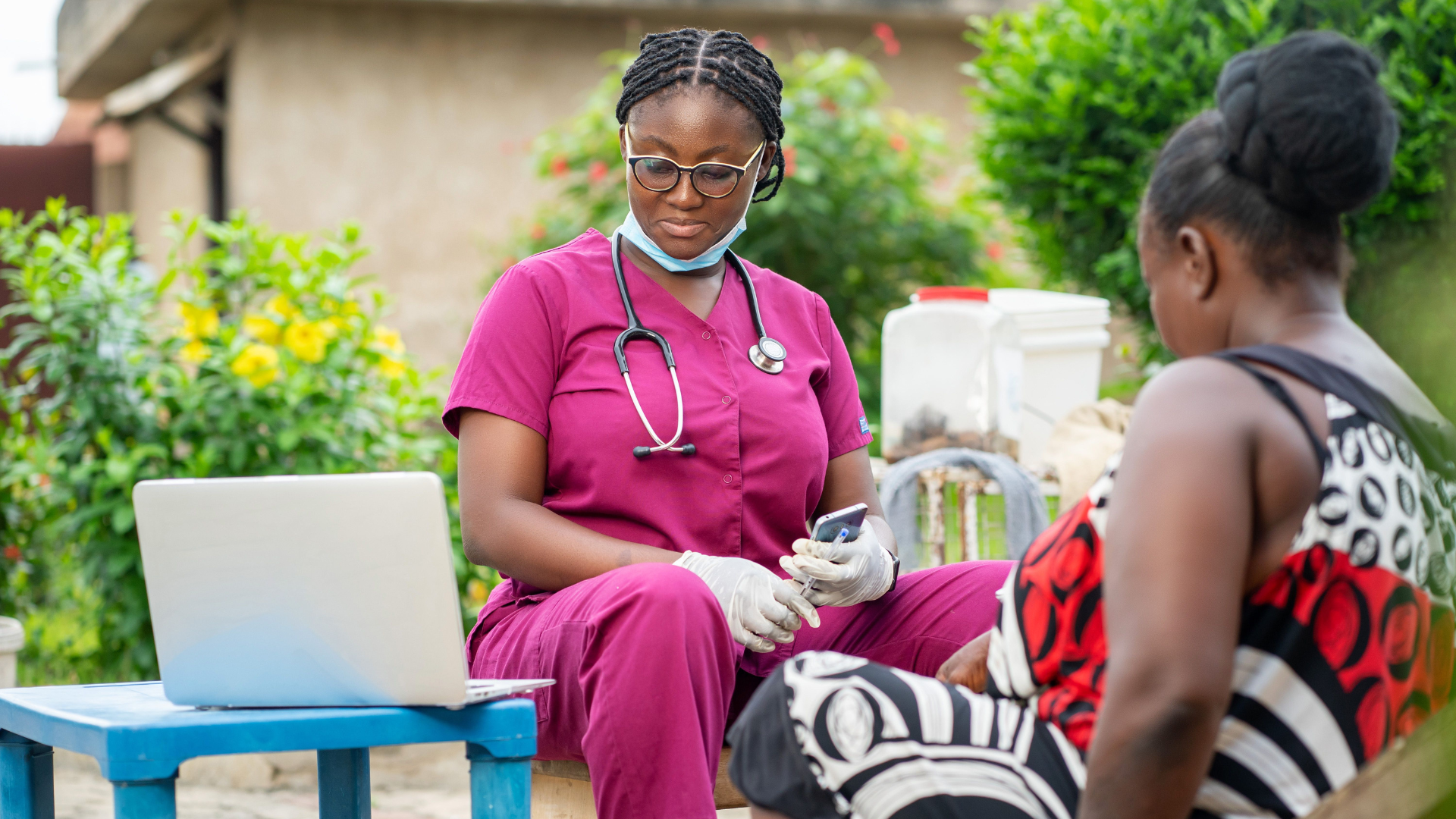
Nurses often serve as the first point of contact for patients experiencing mental health challenges. They play an important role in recognizing symptoms, providing compassionate support, and connecting patients with appropriate care.
At the same time, nurses themselves may experience stress, burnout, and emotional strain, particularly in resource-limited settings or during health emergencies. Supporting nurse well-being is essential to maintaining a strong healthcare workforce.
The expanding role of digital health and education
Digital technology is transforming healthcare delivery and education. Telehealth, mobile health tools, and online education platforms are expanding access to care and training, particularly in underserved regions (Wang & Bloch, 2023).
For nurses, digital tools provide new opportunities to improve patient care, access clinical resources, and continue professional development. Digital education platforms, including those offered through Nurses International and NextGenU.org, help remove geographic and financial barriers to learning.
Access to free, online education allows nurses and students in LMICs to gain essential knowledge and skills without the cost and travel associated with traditional programs. This approach helps strengthen the global nursing workforce and improve access to quality care.
Addressing workforce shortages through education
Despite growth in the global nursing workforce, shortages remain a major challenge, particularly in LMICs. The WHO estimates a global shortage of millions of nurses, with the greatest gaps in regions facing the highest disease burden (WHO, 2025a).
These shortages increase the responsibilities of nurses, who often provide a wide range of services, including clinical care, health education, and public health support.
Expanding access to nursing education is one of the most effective ways to address these shortages. By increasing the number of trained nurses and improving the quality of education, healthcare systems can improve patient outcomes and strengthen health system capacity.
Preparing nurses for the future
To meet emerging global health challenges, nursing education must prepare students with clinical knowledge and skills in prevention, public health, environmental health, digital health, and mental health care.
Accessible, high-quality education is essential to preparing nurses to serve their communities effectively. Nurses International is committed to supporting nurses and students worldwide by providing free, accessible education that strengthens knowledge, skills, and leadership.
By investing in nurse education today, we help build stronger healthcare systems and improve health outcomes for communities around the world.
References
- Kennedy, A. (2021). The International Council of Nurses in the time of the COVID-19 pandemic. International Nursing Review, 68(2):144-146. doi: 10.1111/inr.12681. PMID: 34053077; PMCID: PMC8207128.
- Wang, L.X. & Bloch, C. (2023). Digital Interventions in the Health Sector: Country Cases and Policy Discussions. International Monetary Fund. https://www.imf.org/-/media/files/publications/imf-notes/2023/english/insea2023004.pdf
- World Health Organization. (2025a). State of the world’s nursing report 2025. https://www.who.int/publications/i/item/9789240110236
- World Health Organization. (2025b). Over a billion people living with mental health conditions – services require urgent scale-up. https://www.who.int/news/item/02-09-2025-over-a-billion-people-living-with-mental-health-conditions-services-require-urgent-scale-up#:~:text=More%20than%201%20billion%20people,losses%20on%20a%20global%20scale.
- World Health Organization. (2024). Noncommunicable diseases. https://www.afro.who.int/health-topics/noncommunicable-diseases#:~:text=77%25%20of%20all%20NCD%20deaths,and%20diabetes%20(1.5%20million).
- World Health Organization. (2023). Climate change. https://www.who.int/news-room/fact-sheets/detail/climate-change-and-health#:~:text=Climate%20change%20is%20directly%20contributing,diarrhoea%20and%20heat%20stress%20alone.
Author: Samantha Baboolal
Nurses International is a non-profit entirely focused on helping nurses obtain the education and the support they need to make a difference in developing nations worldwide.
We connect colleges and institutions with experts who can take their nursing programs to the next level. We help establish new nursing programs where they’re needed most. And we eliminate the barriers that stand between students and education.
QUICK LINKS
CONTACT US
FOLLOW US
Nurses International is a registered 501(c)3 nonprofit.
EIN: 46-4502500
EIN: 46-4502500