Menu
Strengthening Nursing Orientation and Preceptor Development: Highlights from the NEC Conference
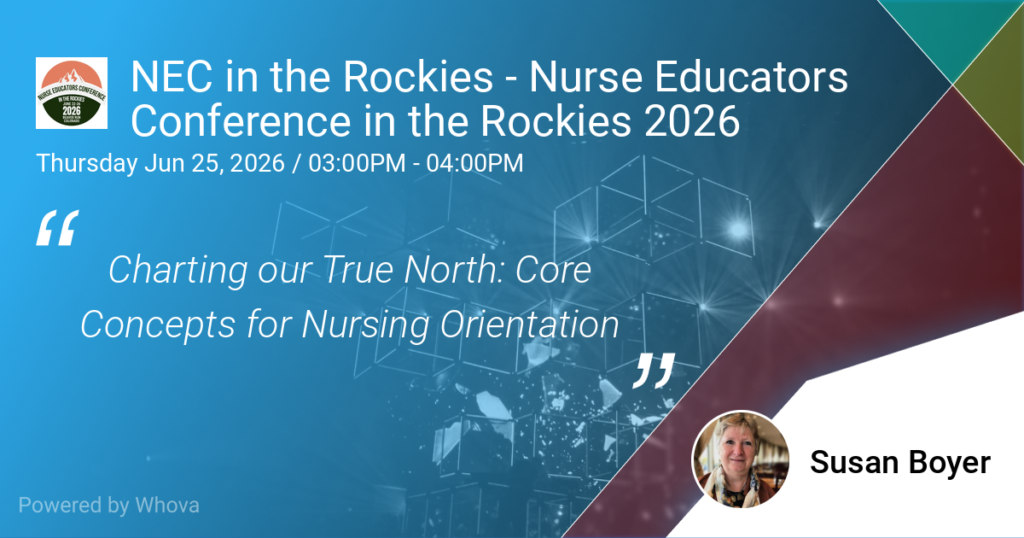
Nurses International was pleased to be represented at the NEC Conference, where Dr. Susan Boyer delivered two concurrent sessions focused on strengthening nursing orientation, clinical competency validation, and preceptor development.
The sessions, “Preceptor Development and Support Systems” and “Charting Our True North: Core Concepts for Nursing Orientation,” brought together practical strategies, research, and resources designed to help nursing educators and clinical leaders build more effective systems for preparing and supporting nurses in practice.
Rethinking Nursing Orientation
Effective orientation is about more than completing a checklist or meeting a predetermined number of orientation hours. A strong orientation program should help nurses progressively develop and demonstrate the competencies they need to practice safely and confidently.
Susan’s session, Charting Our True North: Core Concepts for Nursing Orientation, explored the development of competency-based orientation systems and the foundational concepts that can help organizations create greater consistency in how nurses are prepared and evaluated.
The presentation drew on the development of Nurses International’s Clinical Competency Framework (CCF) and related orientation resources, as well as findings from a Delphi study used to identify and prioritize essential elements of competency-based orientation programs.
Key concepts discussed included:
- Establishing clear expectations for clinical competency
- Balancing universal nursing competencies with specialty-specific requirements
- Developing competency statements that focus on observable performance
- Using appropriate sampling strategies for competency validation
- Clarifying the responsibilities of learners, preceptors, and program leaders
- Reducing unnecessary documentation burden
- Incorporating clinical teaching plans and reflective learning
- Using continuous quality improvement approaches to evaluate orientation programs
Participants were also invited to consider how these concepts could be applied within their own organizations and which elements should be prioritized based on their individual needs.
Supporting the Preceptors Behind the Orientation Process
Preceptors play a critical role in helping nurses transition into practice, yet organizations may not always provide preceptors with the preparation, resources, and support they need to be successful.
The second session, Preceptor Development and Support Systems, focused on the essential components of effective preceptor preparation. The discussion explored preceptor instructional needs, appropriate course content and delivery methods, documentation responsibilities, and ways to evaluate whether preceptor development programs are achieving their intended outcomes.
Participants considered questions such as:
- What knowledge and skills do preceptors need before taking on the role?
- How can preceptor education be delivered in ways that fit the needs of different organizations?
- How can documentation requirements be streamlined?
- How can organizations evaluate the effectiveness of their preceptor programs?
- How can continuous improvement become part of the preceptor development process?
The session also introduced participants to Nurses International’s Preceptor Development for Healthcare Workers course, a free, open-access online resource designed to provide foundational education for nurses and other healthcare professionals preparing for preceptor roles.
Connecting Education With Practice
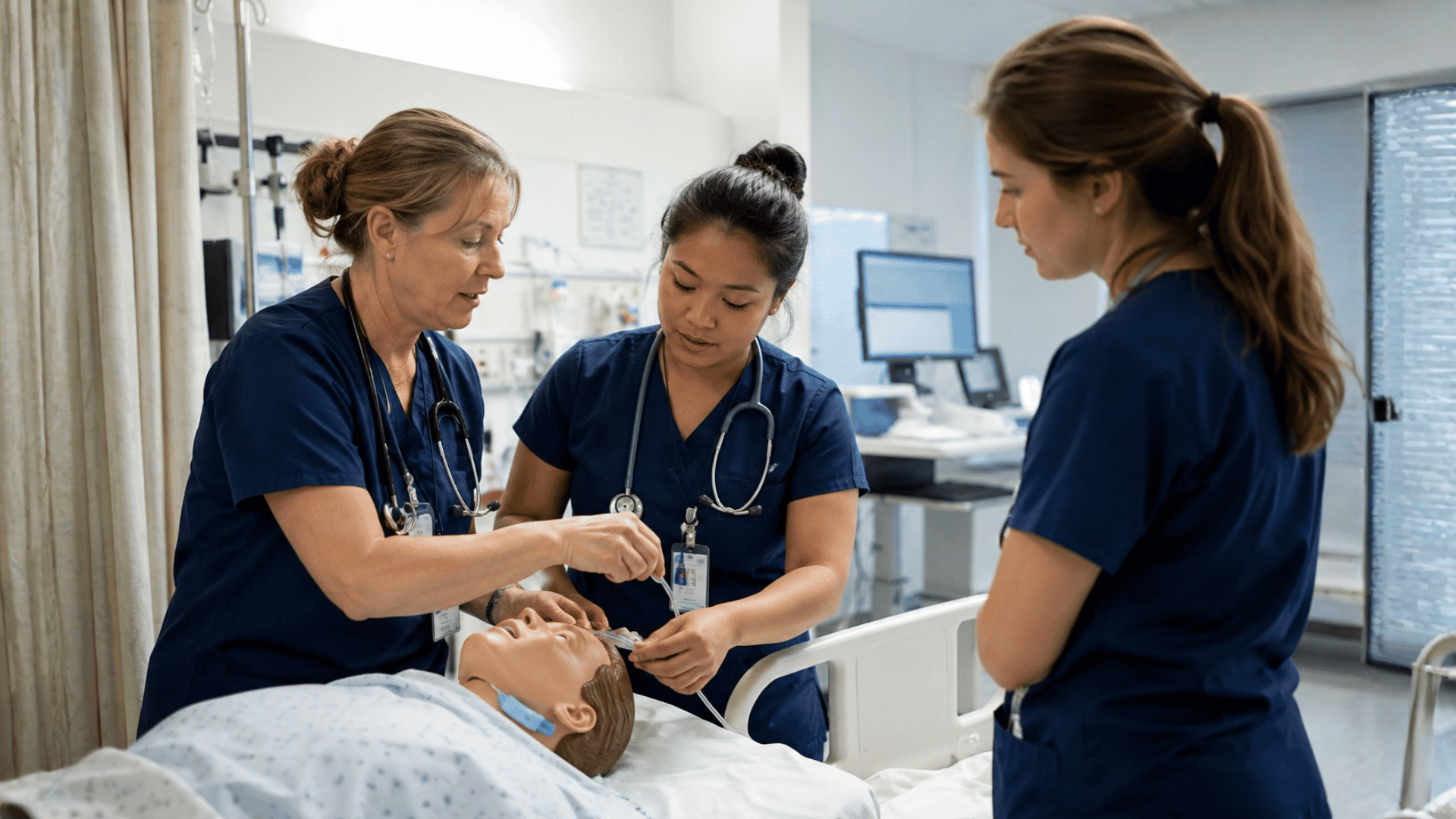
A central theme across both sessions was the importance of creating stronger connections between education and clinical practice.
Competency-based orientation and preceptor development systems can provide a shared structure for learners, preceptors, educators, and program leaders. When expectations are clearly defined and supported by appropriate tools and assessment methods, organizations can create a more consistent approach to preparing nurses for independent practice.
The sessions also highlighted the importance of evaluating these programs over time. Tools such as surveys, data collection, Rapid Cycle Quality Improvement (RCQI), and Plan-Do-Study-Act (PDSA) cycles can help organizations identify what is working, where improvements are needed, and how orientation and preceptor programs can continue to evolve.
Open-Access Resources for Nursing Education
One of the goals of Nurses International is to make high-quality nursing education resources accessible to learners and educators around the world. The NEC Conference provided an opportunity to introduce educators and clinical leaders to NI’s growing collection of open-access resources available through NextGenU.org.
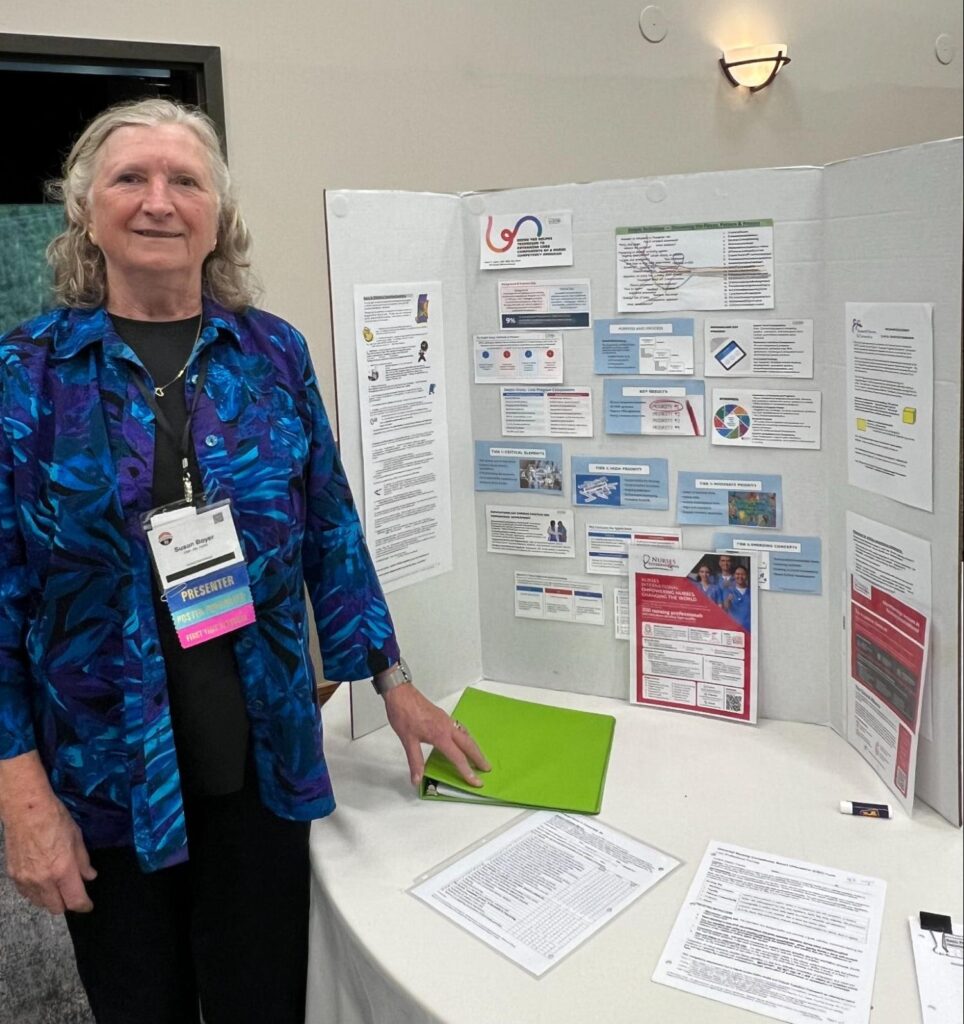
In addition to online courses, NI develops competency resources and teaching tools that organizations may use as provided or adapt to support their own educational programs.
For organizations looking to strengthen orientation or preceptor development, these resources can provide a starting point for building or enhancing existing systems.
Continuing the Conversation
The NEC Conference provided an important opportunity for Nurses International to share its work with nursing educators and clinical leaders while learning more about the challenges organizations are facing in orientation, competency validation, and preceptor development.
Dr. Boyer also made several connections during the conference with individuals who expressed interest in exploring additional Nurses International resources. While it is still too early to know where these conversations may lead, these connections represent opportunities to continue sharing NI’s work and exploring potential collaborations.
Through conferences such as NEC, Nurses International continues to connect with the broader nursing education community and advance its mission of making high-quality, practical nursing education and competency resources more accessible.
Author: Samantha Baboolal
Nurses International is a non-profit entirely focused on helping nurses obtain the education and the support they need to make a difference in developing nations worldwide.
We connect colleges and institutions with experts who can take their nursing programs to the next level. We help establish new nursing programs where they’re needed most. And we eliminate the barriers that stand between students and education.
QUICK LINKS
CONTACT US
FOLLOW US
Nurses International is a registered 501(c)3 nonprofit.
EIN: 46-4502500
EIN: 46-4502500